
Commercial Roof Maintenance Plan: A 12-Month Checklist for Property Owners
Published · Updated
By Wes Webb, Owner of True North Roofing
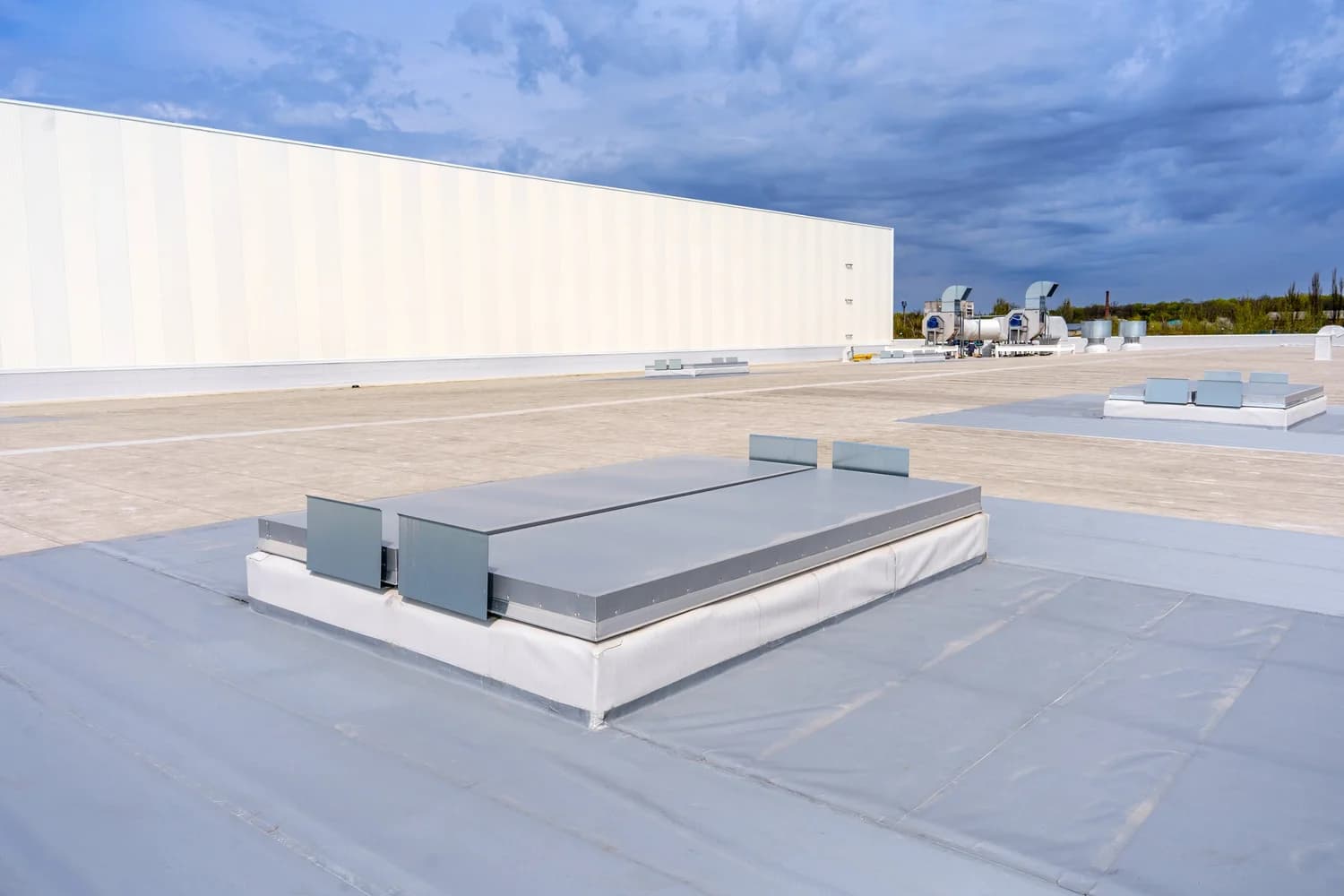
For business owners and property managers in Western North Carolina, a commercial roof is a massive capital investment. Whether you manage a retail center, an office park, or an industrial facility, your flat roof protects your inventory, your employees, and your bottom line.
However, unlike a steep sloped residential roof, a flat roof requires proactive, scheduled care. A reactive approach almost always leads to a highly disruptive roof leak repair that halts your daily operations. To maximize the lifespan of your TPO, EPDM, or Modified Bitumen system, you need a structured 12-month maintenance plan. Here is your seasonal checklist to keep your building secure year round.
Spring: The Post-Winter Assessment (March to May)
The freeze and thaw cycles of a mountain winter can take a serious toll on flat roofing membranes. Spring is the critical time to assess any damage caused by ice and heavy snow loads.
Check Seams and Flashings: Extreme cold causes roofing materials to contract. Inspect all heat welded TPO seams and glued EPDM joints to ensure they have not pulled apart under the winter tension.
Clear Spring Debris: As trees bloom, they drop a massive amount of pollen, seeds, and blossoms. Ensure your internal roof drains and scuppers are completely clear so the heavy spring rains can exit the roof quickly.
Inspect HVAC Curbs: Pitch pans and penetration seals around your HVAC units often crack during the freezing months. These must be resealed before the summer cooling season begins.
Summer: Defending Against Thermal Shock (June to August)
Summer brings intense UV radiation and extreme heat to North Carolina. This causes commercial roofing materials to expand significantly during the day and contract rapidly at night, a process known as thermal shock.
Monitor Foot Traffic: Summer is peak season for HVAC repairs. AC technicians walking across your flat roof can easily drop tools or drag heavy panels, causing punctures. Document all foot traffic and inspect the membrane directly around the service units.
Check for Ponding Water: Summer thunderstorms dump heavy rain fast. If you notice water sitting on your roof for more than 48 hours after a storm, you have a drainage issue or crushed insulation that needs immediate attention.
Evaluate Metal Accents: If your building features sloped architectural metal roofing, check the surface for fading or compromised rust proofing caused by the intense summer sun.
Fall: The Great Debris Clear-Out (September to November)
Fall in the Blue Ridge Mountains is beautiful, but falling leaves are the number one enemy of a flat roof.
Deep Clean Drains and Gutters: Pine needles and wet leaves will quickly dam up your scuppers. A clogged drain on a flat roof acts like a plugged bathtub. The water will simply rise until it finds a way over the flashing and inside your building.
Trim Overhanging Trees: Cut back any heavy branches that have grown too close to the roofline over the summer. This prevents impact damage to the membrane during severe autumn windstorms.
Winter: Managing Snow and Ice (December to February)
Winter maintenance is all about managing weight and preventing ice buildup.
Pre-Snow Inspection: Ensure the roof surface is completely clean before the first snowfall. Debris hidden under the snow can puncture the membrane as the ice shifts.
Monitor Snow Loads: Wet mountain snow adds thousands of pounds to your building structure. If accumulation reaches dangerous levels, you may need a professional to safely remove the snow without slicing the delicate roofing membrane underneath.
Partnering With a Commercial Professional
Sending an untrained maintenance worker onto your roof with a bucket of tar is a recipe for disaster. Effective commercial roofing maintenance requires a trained eye to spot microscopic seam failures, membrane shrinkage, and failing wall flashings before they become major interior leaks. Partnering with a dedicated roofing contractor ensures your warranties remain valid and your building stays dry.
Financing Your Property Upgrades
If a routine maintenance inspection reveals that your aging roof requires a full replacement, we understand that preserving your operating capital is vital. At True North Roofing, we offer tailored financing options so you can upgrade your facility with a high performance system while maintaining a predictable monthly overhead budget.
Ready to put your building on a proactive maintenance plan? Reach out to schedule your inspection and let our commercial experts protect your investment year round.
Serving Our Local Communities:
Asheville & Buncombe County
Hendersonville & Henderson County
Waynesville & Haywood County
Brevard & Transylvania County
Sylva & Jackson County