Roof Inspection Services in Western North Carolina
Asheville’s trusted pros for honest roof assessments and clear next steps
Your roof stands between your family and everything the mountains throw at us—wind, driving rain, spring hail, winter freeze-thaw, and blazing summer sun. It protects your home, your belongings, and your peace of mind. Yet most homeowners only think about the roof when there’s a ceiling stain or shingles in the yard after a storm. At True North Roofing, we believe a routine roof inspection is one of the smartest, most affordable ways to extend roof life, prevent leaks, and avoid surprise costs.
Below, we explain why regular inspections matter, how often to schedule them, what our Asheville roofing team looks for, what roof inspections cost, and how our process keeps your home protected—whether you have asphalt shingles, standing seam metal roofing, or a low-slope TPO/EPDM system.
Why regular roof inspections matter
Think of a roof inspection as a health check-up for your home. Small issues—like a cracked pipe boot, loose flashing, or an early-stage valley leak—are quick, inexpensive fixes when caught early. Left alone, those same issues can soak insulation, rot decking, stain ceilings, and invite mold. A simple inspection can be the difference between a minor roof repair and a major interior restoration.
Regular inspections also help you:
Maximize lifespan. Staying ahead of maintenance extends the service life of asphalt shingle roofs and metal roofs alike.
Protect warranties. Many manufacturer warranties assume basic maintenance and documentation of care.
Preserve value. A well-maintained roof supports resale value and smooth home inspections.
Reduce insurance headaches. Documented condition, with photos, makes post-storm conversations straightforward.
How often should you schedule a roof inspection?
Western North Carolina’s microclimates make consistency your best friend. As a rule of thumb:
Twice a year: Once in spring (after winter freeze-thaw) and once in fall (before leaf season and winter storms).
After big weather: Schedule a post-storm visit after hail, heavy winds, or significant snowfall—even if nothing looks wrong from the ground. Hidden impact bruising and lifted shingles may not be obvious yet.
By roof age:
Under 10 years: Inspect every 1–2 years if no storms; twice yearly if your home sits under heavy tree cover.
10–15+ years: Inspect annually at minimum; materials are aging and details like flashings need closer attention.
Before buying or selling: A professional inspection documents current condition and remaining service life so there are no surprises at closing.
For businesses, see commercial roofing.
If your home has a low-slope section, complex rooflines with multiple valleys, skylights, or overhanging pines and oaks, lean toward the twice-yearly schedule.
What we look for during a roof inspection
Every Asheville roof inspection we perform includes exterior and interior checks, plus diagnostics as needed.
Exterior (roof surface & details)
Shingles or panels: Missing, lifted, cracked, curled, or bruised shingles; granule loss; exposed underlayment. On metal roofs: panel movement, coating wear, oil canning, or seam issues.
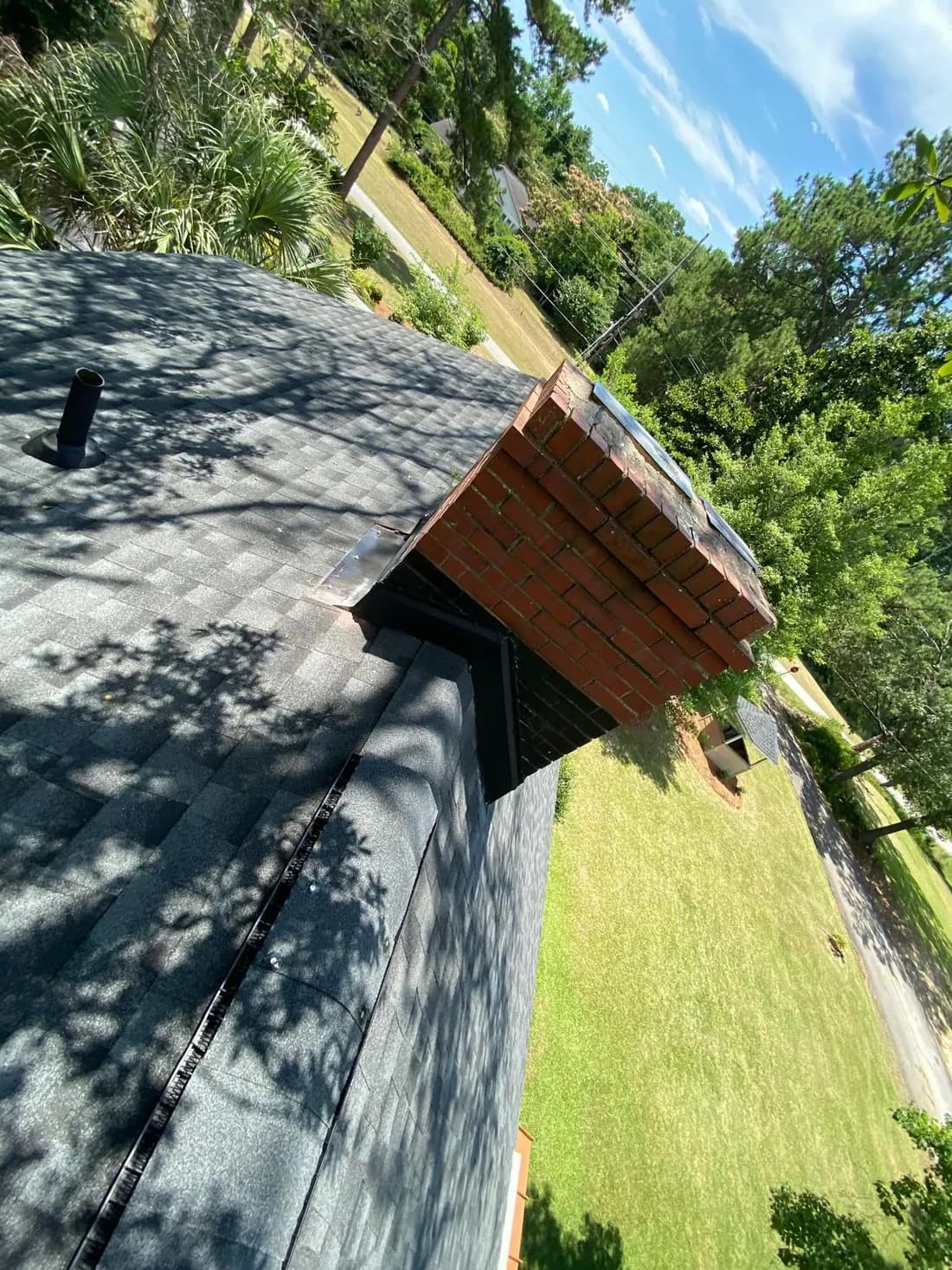
Flashings: Step and counter flashing at chimneys, headwalls, sidewalls; pipe boots; skylight curbs; ridge and hip details; valley metal.
Penetrations & accessories: Vents, satellite mounts, solar attachments, fasteners, sealants.
Valleys & edges: Proper underlayment, ice/water protection, cut lines, and water flow.
Gutters & downspouts: Clogs, back-pitching, loose hangers, undersized runs, and discharge too close to the foundation.
Biological growth & debris: Moss, algae, leaf buildup, and pine needles that slow drainage or lift shingle edges.
Storm impacts: Hail marks, wind uplift, punctures from branches, or loosened ridge caps.
Interior (attic & deck)
Active or historic leaks: Stains, damp insulation, and dark rings on decking.
Ventilation & insulation: Clear intake at soffits, sufficient exhaust at ridge; insulation depth and whether it blocks airflow.
Structure: Deck sag, fastener pull-through, and any signs of rot or pest intrusion.
Daylight & condensation: Light where it shouldn’t be and moisture indicators that suggest hidden leaks.
Tools we may use
Moisture meters to confirm damp areas.
Drone imaging to safely view steep or hard-to-reach sections.
Infrared scans (when appropriate) to spot temperature differences that can indicate trapped moisture.
You get a photo-rich report and a prioritized plan: urgent, soon, and monitor—so you can budget smart and address the right items first.
The cost of a roof inspection
Pricing varies by roof size, pitch, access, and the tools needed. As a general guide:
Visual roof inspection: typically $120–$250
Drone-assisted inspection: typically $150–$350
Infrared/thermal scan add-on: typically $250–$400
Large/complex roofs: may combine methods and cost more
The good news? True North Roofing provides FREE estimates in almost every situation.
If you’re planning a roof replacement, we provide complimentary inspections and estimates. Many clients also choose an affordable maintenance plan (spring + fall visits), which lowers the per-visit cost and keeps the roof tuned for mountain weather.
Risks of skipping inspections
Delaying inspections can turn a $300 repair into a multi-thousand-dollar headache. Common outcomes of neglect include:
Hidden leaks that soak insulation and stain ceilings.
Rotting decking that loses fastener hold and sags.
Mold growth that affects indoor air quality and requires remediation.
Structural issues at fascia/soffit from chronic gutter overflow.
Shortened roof life due to poor ventilation or unnoticed storm damage.
A quick roof inspection in Asheville twice a year is simple insurance against all of the above.
Our roof inspection process
Scheduling & pre-visit notes
We ask about roof age, material (asphalt shingles, metal roofing, TPO/EPDM), and any symptoms you’ve noticed. We’ll confirm ladder access and any attic entry details.Exterior assessment
We walk the roof when safe, or use drone imaging for steep/fragile sections. We review shingles/panels, flashings, penetrations, valleys, ridges, and edges. We also evaluate gutters, downspouts, and ground drainage patterns.Interior assessment
In the attic, we check for active/leaked areas, decking condition, ventilation balance (intake vs exhaust), and insulation. We note anything that could shorten roof life, like blocked soffits or trapped moisture.Diagnostics as needed
Moisture meters and thermal tools help confirm what the eye suspects, especially after storms or in tricky assemblies.Report & recommendations
You receive photos and plain-English explanations. We separate urgent items (stop leaks, correct flashing failures), soon items (sealant refresh, minor shingle replacements), and plan-ahead items (aging sections to watch, ventilation upgrades).Clear options, no pressure
If work is needed, we outline repairs with transparent pricing. If your roof is nearing end-of-life, we’ll explain roof replacement paths (asphalt vs standing seam metal) and timing, so you control the budget and schedule.
The True North advantage
Local expertise. We serve Asheville, Hendersonville, Waynesville, Brevard, and nearby communities. Our team lives here—we build for steep drives, leafy lots, sudden downpours, and winter snap-thaws.
Candid guidance. If a targeted roof repair will buy you years, we’ll recommend it. If replacement is the right call, we’ll show you why.
Mountain-tough specs. From ice-and-water protection at valleys to smart ridge/soffit ventilation, we spec for the Blue Ridge, not a generic climate.
Advanced tools. Drone imagery, moisture meters, and thermal scans when they’re the right fit.
Full-service team. Repairs, roof replacement, metal roofing, flat roof TPO/EPDM, gutters & gutter guards—handled by one accountable partner.
Maintenance plans. Spring/fall inspections, discounted repairs, and priority scheduling to keep your roof dialed in.
FAQs: roof inspections in asheville, NC
How long does a roof inspection take?
Most take 45-90 minutes, depending on roof size, pitch, and whether we use drone/infrared. We’ll review our findings with you and send a photo report.
Do I need to be home?
It helps for attic access and the post-inspection review, but we can inspect while you’re out and follow up by phone or video if that’s easier.
Can you inspect in the winter?
Yes. Winter inspections are common and can reveal ice-dam and wind issues. If snow cover limits visibility, we’ll schedule a quick follow-up after melt.
My roof is under warranty, does an inspection affect that?
Inspections support warranties by documenting maintenance and catching issues early. We’ll flag anything that might require a manufacturer-approved fix.
what happens if you find a problem?
We’ll prioritize it, explain solutions, and provide a clear estimate, whether that’s a small leak repair, flashing correction, or planning for future roof replacement.
will you try to sell me a new roof?
No pressure. Our job is to give you the facts. If repairs make sense, that’s what we recommend. If replacement is smarter, we’ll explain your options and timing.
Schedule your roof inspection
A quick, professional roof inspection in Western North Carolina pays for itself by preventing leaks, extending roof life, and protecting your home’s value. Whether your roof is brand new or decades old, we’ll give you clear answers, smart priorities, and a plan that fits your budget—so your roof is ready for whatever the mountains send next.
Call True North Roofing to book your inspection today.