Emergency Roof Repair After a Storm: What Happens in the First 24 Hours
Published · Updated
By Wes Webb, Owner of True North Roofing
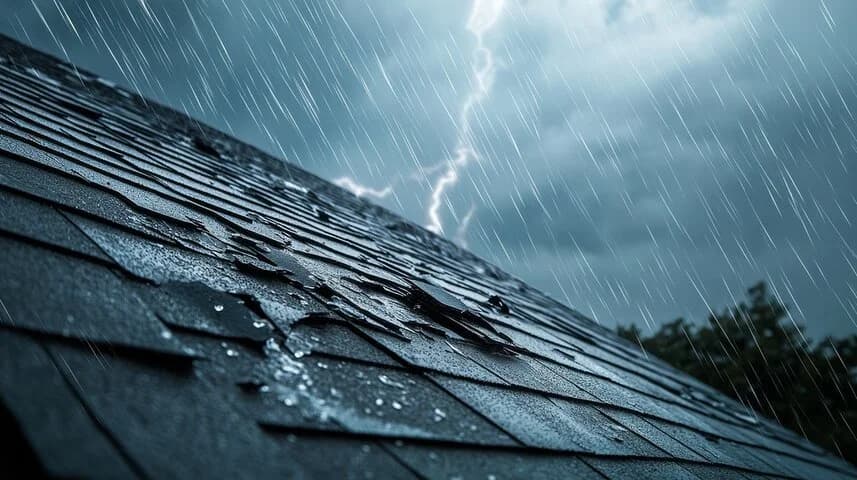
When a storm hits Western North Carolina, roof damage can go from “minor” to “serious” fast. Wind lifts shingles, hail bruises the surface, and driving rain finds the smallest flashing gap. If you are seeing water stains, dripping, shingles in the yard, or a tree limb impact, the next 24 hours matter.
This guide explains what a real emergency roof repair after a storm looks like, what you should do immediately, and how a professional crew stabilizes the roof so your home stays protected.
If you need help now, start here: Roof Repair.
If you want documentation and a report for your records or insurance, schedule a Free Roof Inspection.
We serve Asheville and nearby communities including Hendersonville, Weaverville, Black Mountain, Arden, Fletcher, Candler, Waynesville, Canton, Swannanoa, Fairview, Leicester, and Mills River.
The first 24 hours after roof damage matter
Storm damage is often a water management problem. The roof system may be compromised in a few small areas, but continued rain and wind can push water further under the roofing material. Moisture can soak insulation, stain drywall, and begin damaging decking and framing.
The goal of emergency roof repair is simple:
Stop further water intrusion
Document damage
Create a clear plan for permanent repair or replacement
Step 1: What you should do immediately after a storm
0 to 1 hour: Keep people safe
Stay off the roof. Wet shingles, ice, and hidden decking damage make falls likely.
Avoid rooms with sagging ceilings or active electrical hazards.
If a tree is involved and power lines are down, call emergency services first.
1 to 3 hours: Control the damage inside
Place buckets under active drips.
Move furniture, electronics, and rugs away from the leak path.
Use plastic sheeting to protect floors and valuables.
If water is near outlets or fixtures, shut off power to affected areas and call an electrician if needed.
If a ceiling spot starts to bulge, carefully poke a small hole at its lowest point with a bucket underneath. It releases the water pressure and prevents a wider collapse.
3 to 6 hours: Quick exterior observations from the ground
From a safe location, look for:
Missing shingles or exposed underlayment
Shingles lifted at edges or ridge caps displaced
Bent flashing near chimneys and sidewalls
Gutters twisted, detached, or overflowing
Tree limbs resting on the roof
Visible punctures or impact zones
Take photos from the ground. They help your roofer and your records.
Step 2: What a roofer does in the first 24 hours (the real emergency process)
Phase A: Rapid response assessment
A storm-response roofer will typically:
Confirm the safest access points
Identify the active entry point for water
Locate compromised flashing zones and penetrations
Determine whether emergency tarping is needed
If you want a documented evaluation with photos and report, this is exactly what we provide: Free Roof Inspection.
Phase B: Emergency water stop and temporary protection
The goal is stabilization. This may include:
Emergency tarping
Tarping is used when:
Shingles are missing across a section
Underlayment is exposed
A limb impact created an opening
Wind peeled back ridge and hip lines
A valley failure is allowing major intrusion
A proper tarp is secured with a method that holds in wind, covers the water path, and protects the vulnerable edge points.
Temporary patch repairs
Sometimes a tarp is not necessary. If the damage is localized, a roofer may:
Replace a small number of missing shingles
Re-secure ridge caps or ridge vent sections
Seal minor flashing gaps in critical zones
Replace damaged pipe boots or vent collars
Temporary repairs are designed to stop water, not to hide damage.
Phase C: Interior and attic check for leak tracing
A professional storm response includes verifying whether water has traveled beyond the visible entry point.
That often means:
Checking attic decking for moisture
Identifying wet insulation zones
Looking for drip tracks along rafters
Confirming whether the leak is roof related or condensation related
This step prevents surprises later.
Phase D: Photo documentation for the homeowner
A real storm response should include photos, including:
The exact damaged area with context shots
Close-up damage details
Flashing, valleys, penetrations, and edges
Any temporary protection installed
If you searched “roof inspection near me,” this is what you should expect: Free Roof Inspection.
Step 3: What happens after stabilization (within the first 24 hours)
Once the home is protected, the next steps are about decision making.
You receive a repair plan or replacement plan
Depending on the scope, you will typically get:
Recommended permanent repair items and priority order
Replacement recommendation if damage is widespread or the roof is near end-of-life
Timeline expectations based on weather and material availability
If replacement is likely, start here: Roof Replacement.
You get a scope that includes the roof system, not just shingles
A proper scope includes critical details like:
Flashing corrections
Underlayment upgrades where needed
Drip edge details
Valley protection
Ventilation assessment
Gutter and drainage considerations
Gutters often take storm damage too: Seamless Gutters.
Insurance and storm damage: what to document in the first day
If you think insurance may be involved, documentation matters.
Best practice checklist
Photograph exterior damage from the ground immediately
Photograph interior staining and active drips
Save any debris that shows damage, such as shingles or broken vent caps
Keep receipts for emergency mitigation
Write down the storm date, time, and what you observed
If you want to understand the claim process, see: Understanding Insurance Claims for Roof Repairs in North Carolina
Common storm damage types roofers see in Western NC
Wind damage
Lifted shingles and seal breaks
Creased shingles that look fine from the ground
Missing ridge caps or ridge vent displacement
Hail damage
Bruised shingles that shorten roof lifespan
Dented soft metals around vents and flashing
Gutter dents and downspout damage
Tree limb impact
Punctures through the roof surface
Broken decking or framing concerns
Flashing damage around transitions
Flashing failures
Storms often expose weak flashing zones around:
Chimneys
Sidewalls
Skylights
Valleys
If skylights are involved, replacement may be the right long-term move: Skylight Replacement.
Temporary fixes vs. permanent repairs
The Warning: A tarp is not a roof. Tarps are highly susceptible to UV degradation and wind uplift. Within a few months (or even weeks), the sun will bake the plastic, causing it to shred and fail. Never accept emergency tarping as a final solution.
What a permanent repair includes
A true, permanent storm damage repair fully restores the waterproofing capabilities of your home. Depending on the severity of the damage, this could mean a highly targeted repair integrating brand-new shingles that correctly overlap with your existing system, or it may require a full roof replacement.
The Metal Upgrade: Many homeowners use storm damage as an opportunity to upgrade. Replacing damaged asphalt with a standing seam metal roofing system provides unparalleled, permanent protection against future high-wind events and hail strikes.
Commercial Property Considerations: If you manage a local business, storm damage on a flat roof is notoriously difficult to spot. A permanent commercial roofing repair often involves core testing the insulation to ensure no trapped moisture remains before welding new TPO or EPDM membrane over the affected area.
When “emergency repair” actually means full replacement
Some storms reveal the bigger truth: the roof was already near the end.
Replacement becomes more likely if:
Multiple slopes have damage
The roof has repeated repair history
Shingles are brittle, curled, or losing granules widely
Decking shows soft spots or rot
The roof is 20+ years old and has multiple leak points
If you are weighing materials:
Asphalt Shingle Roofing
Metal Roofing
Watch out for storm chasers
After major weather events, out-of-town crews often flood the area.
Protect yourself:
Confirm licensing + insurance
Ask for a real local presence and references
Require an itemized written scope
Avoid “sign today” pressure
Don’t sign paperwork that gives control of your claim away
After a major weather event, out-of-state storm chasers often flood Western North Carolina neighborhoods. They frequently offer cheap, fast "repairs" that blur the line between temporary and permanent.
They might slide a few mismatched shingles into place or smear black tar over a damaged valley and call the job complete. Because these crews leave town as soon as the work dries up, you have no recourse when that substandard patch fails during the next heavy rain. A permanent fix must always be performed by a deeply rooted, local contractor who will stand behind their workmanship warranty.
Emergency roof repair near you in Western NC
If you searched “emergency roof repair near me,” True North Roofing serves:
Asheville, Hendersonville, Weaverville, Black Mountain, Arden, Fletcher, Candler, Waynesville, Canton, Swannanoa, Fairview, Leicester, and Mills River.
Local pages:
Asheville Roofing
Hendersonville Roofing
Weaverville Roofing
Black Mountain Roofing
Arden Roofing
Fletcher Roofing
Candler Roofing
Waynesville Roofing
Canton Roofing
Swannanoa Roofing
Fairview Roofing
Leicester Roofing
Mills River Roofing
Need emergency roof repair after a storm?
If your roof was damaged and you want action fast, we can stabilize the situation, document the damage, and give you a clear plan for permanent repair or replacement.
Start here: Roof Repair
Schedule documentation: Free Roof Inspection
Or call (828) 507-0778.