Metal Roof in Winter: How Standing Seam Handles Snow, Wind & Freeze-Thaw
Published · Updated
By Wes Webb, Owner of True North Roofing
If you live in the mountains of North Carolina, winter can test a roof fast. Wind-driven rain, sudden cold snaps, freeze and thaw cycles, and the occasional snow or ice event all put pressure on the roofing system. That is why so many homeowners searching for metal roofing near me end up asking the same question.
Does a standing seam metal roof actually perform better in winter?
In most cases, yes. When installed correctly, standing seam metal roofing is one of the strongest options for Western NC weather because it sheds snow efficiently, resists wind uplift, and handles temperature swings without the same wear patterns you see in many aging shingle roofs.
This guide explains how a metal roof in winter performs and what details matter most for homes in Asheville, Weaverville, Black Mountain, Arden, Fletcher, Candler, Hendersonville, Mills River, Waynesville, Canton, Swannanoa, Fairview, and Leicester.
If you want recommendations for your exact roof, start here: Free Roof Inspection.
Why winter performance matters in Western North Carolina
Western NC winters are not always constant snow, but they are unpredictable. You can get:
A hard freeze overnight, then sun and melting by afternoon
High winds that hit ridgelines and open exposures
Wind-driven rain that forces water into weak flashing points
Freeze and thaw cycles that expand small gaps over time
Standing seam metal roofing is built to manage these conditions because of how the panels lock together and how fast water sheds off the surface.
Learn more about options here: Metal Roofing.
What is standing seam metal roofing?
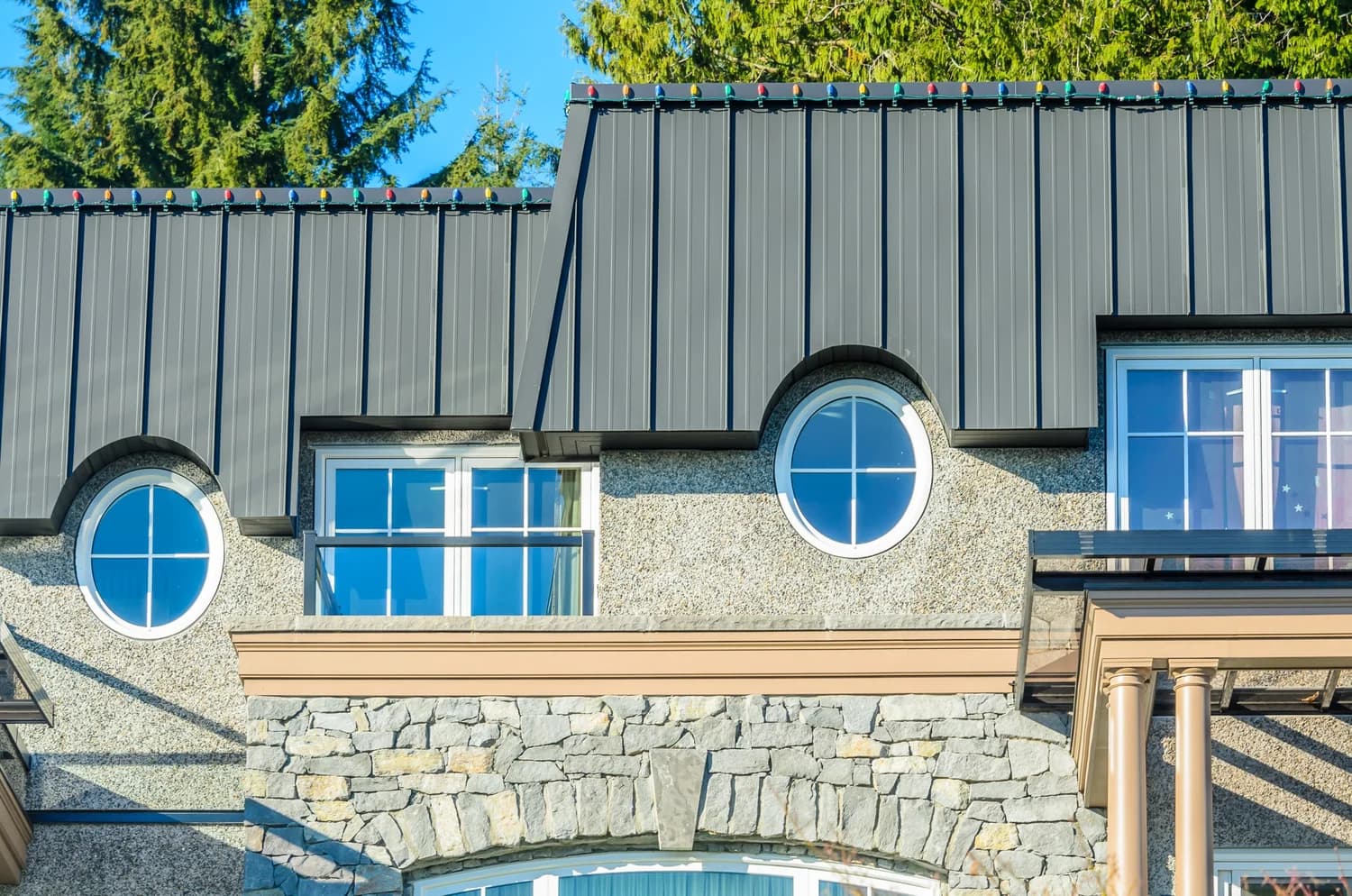
Standing seam is a metal roofing system made of long vertical panels that run from eave to ridge. The panels connect at raised seams. The fasteners are concealed, which reduces the number of penetration points in the roof surface.
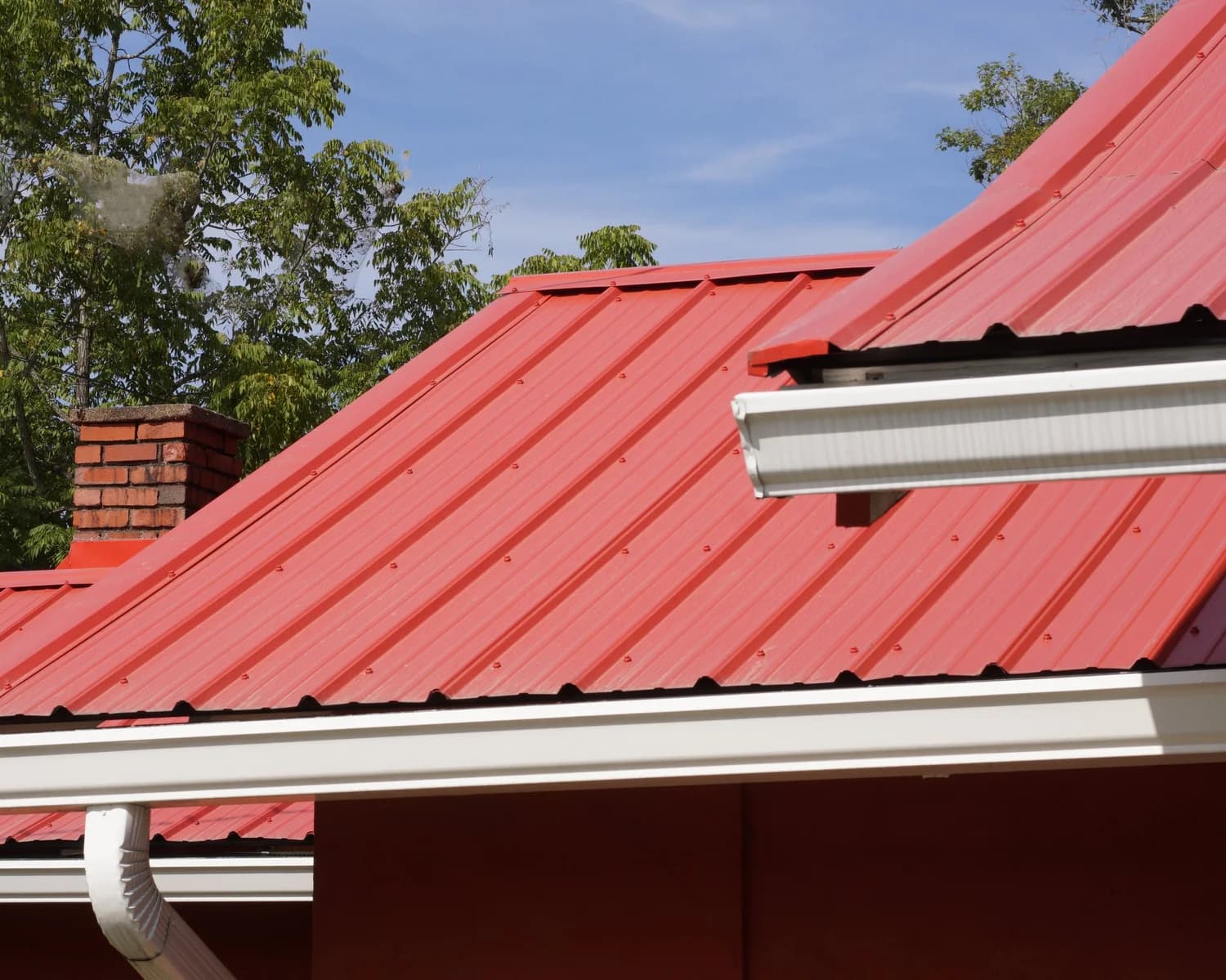
That design is a major reason homeowners compare standing seam vs exposed fastener metal roofing. Exposed fastener systems can perform well, but they rely on visible screws and washers that may require maintenance over time. Standing seam is typically the premium choice for residential homes in mountain weather.
If you are comparing metal roofing companies, this is one of the first decisions to get right.
How standing seam handles snow in winter
1) Smooth surface helps snow shed faster
Standing seam panels create a smooth plane. Snow and meltwater slide more easily compared to rougher surfaces. On steep roof pitches, snow shedding can be fast.
Why that matters
Less weight sits on the roof for long periods
Meltwater moves off the roof quickly
Reduced chance of moisture lingering in vulnerable zones
2) Fewer seams in the water path
Standing seam panels are long, continuous runs. That reduces horizontal seam lines that can become entry points in heavy moisture events.
3) Snow load is still a factor
Even though snow sheds well, snow load depends on pitch, sun exposure, and roof shape. Valleys and dormers can hold snow longer. That is why roof design and detailing matter as much as material choice.
If your roof is complex, a documented evaluation helps you plan correctly: Free Roof Inspection.
How standing seam performs in high wind and gusts
Wind problems often show up first at roof edges, ridges, and transitions. Standing seam metal roofing is popular in Western NC because:
Panels are mechanically secured using clips and concealed fasteners
Seams add rigidity and strength across the panel system
Properly installed systems have strong wind ratings
The key phrase here is “properly installed.” The clip spacing, fastening method, edge detailing, and flashing work determine performance more than the metal alone.
If your home is exposed to ridge winds in places like Weaverville or Black Mountain, installation quality is the difference between confidence and recurring repair calls.
How standing seam handles freeze and thaw cycles
Freeze and thaw cycles are one of the most underestimated threats in Western NC. Water expands when it freezes. That can widen small openings around flashing, fasteners, or transitions over time.
Standing seam performs well because:
1) The system accommodates thermal expansion
Metal expands and contracts with temperature changes. Standing seam systems are designed to allow that movement without forcing stress into screw holes on the surface.
2) Concealed fasteners reduce exposure points
Because the fasteners are not exposed on the panel surface, there are fewer direct places for water to enter and freeze.
3) High quality underlayment adds a second line of defense
A proper standing seam installation includes underlayment selected for long-term heat and moisture performance. This matters in freeze and thaw conditions when moisture events repeat.
The details that make or break winter performance
A standing seam metal roof is not just panels. The winter performance depends on details in these areas.
Underlayment and ice and water protection
For Western NC homes, high-quality underlayment matters, and ice and water shield is often used in critical zones such as:
Eaves
Valleys
Roof transitions
Penetrations and sidewalls
Planning a replacement this year? Roof Replacement
Flashing at chimneys, walls, and skylights
Most leaks come from flashing, not the field panels.
If you have skylights, the curb and flashing details matter heavily in winter. Learn more: Skylight Replacement
Gutters and drainage
Winter moisture is tougher when gutters are clogged or undersized. If snow melt refreezes at the eaves, you want drainage to move water away fast.
Upgrade options: Seamless Gutters
Snow guards when needed
Standing seam sheds snow well, which can be a good thing. On some homes, it can shed too well. Large sheets of snow sliding off can be a safety issue near walkways, driveways, entries, decks, and lower roofs.
Snow guards help control snow release in areas where needed.
Common winter questions about standing seam metal roofs
Is a metal roof louder in winter storms?
It can be louder during heavy rain or hail compared to some roof types. Insulation, attic design, and underlayment significantly affect interior sound.
Do metal roofs prevent ice dams?
Metal helps shed snow, but ice dams are often caused by attic heat loss and ventilation issues. Even a metal roof can develop ice dam conditions if warm air is leaking into the attic.
If you are worried about ice dams, start here: Free Roof Inspection
Is standing seam worth it compared to shingles?
If you want long-term performance, low maintenance, and a roof that handles mountain weather well, standing seam often offers strong value. If your budget is tighter or you plan to sell soon, architectural shingles may still be the right move.
Compare: Asphalt Shingle Roofing
Service areas for standing seam metal roofing in Western NC
If you are searching for metal roofing near me or standing seam metal roof installers near me, True North Roofing serves:
Asheville, Hendersonville, Weaverville, Black Mountain, Arden, Fletcher, Candler, Waynesville, Canton, Swannanoa, Fairview, Leicester, and Mills River.
Local pages:
Asheville Roofing
Hendersonville Roofing
Weaverville Roofing
Black Mountain Roofing
Arden Roofing
Fletcher Roofing
Candler Roofing
Waynesville Roofing
Canton Roofing
Swannanoa Roofing
Fairview Roofing
Leicester Roofing
Mills River Roofing
Want to know if standing seam is the best fit for your roof?
Standing seam is one of the best winter performers in Western NC, but the right recommendation depends on roof pitch, design complexity, exposure, and your long-term goals. We will measure your roof, evaluate ventilation and flashing details, and provide a clear comparison with pricing.
Book here: Free Roof Inspection
Or call (828) 507-0778.