Standing Seam vs. Exposed-Fastener Metal Roof: Which Should You Choose?
Published
By Wes Webb, Owner of True North Roofing
Not all metal roofs are created equal. In Western North Carolina, the way your roof is attached to your house makes the difference between a 50-year asset and a 15-year liability.
If you are researching metal roofing, you have likely seen a massive range in pricing. One quote looks like a bargain, while the other looks like a luxury investment. Usually, that price gap comes down to one thing: the fasteners.
In the roofing industry, we categorize metal into two main "families": Standing Seam (Concealed Fasteners) and Exposed-Fastener (Screw-Down panels). For a home in Asheville or Waynesville, this choice is the most important one you will make.
1. The Fundamental Difference: Hidden vs. Exposed
The names tell the story, but the engineering tells the future.
What is Standing Seam?
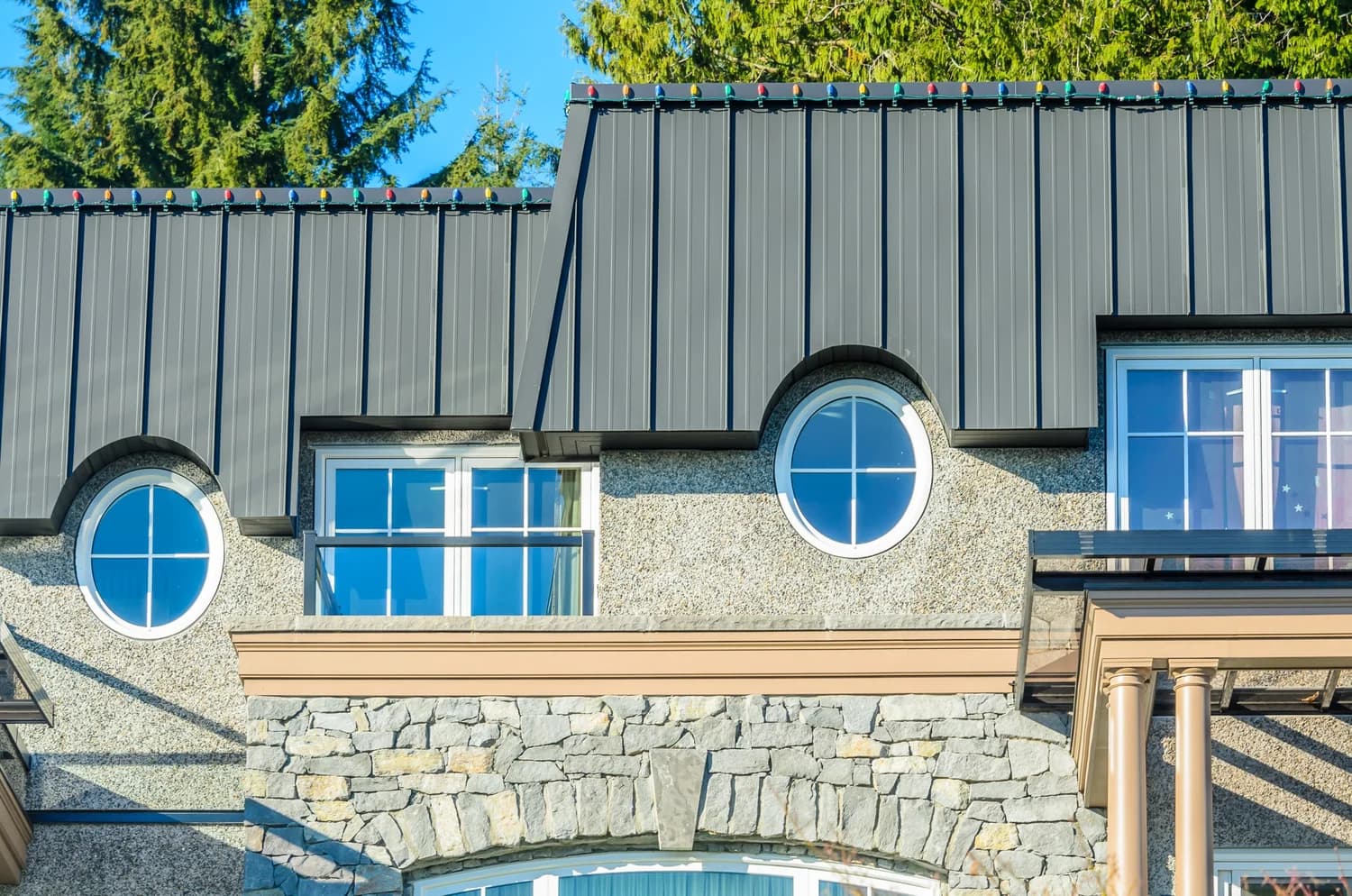
Standing seam is a "concealed fastener" system. The metal panels are joined together by raised seams that "snap" or lock together. The screws that hold the roof down are tucked safely inside the seam. They never see the sun, they never see the rain, and they never touch the snow.
What is Exposed-Fastener?
Also known as "Screw-Down" or "Corrugated" roofing, this system uses thousands of screws that are drilled directly through the face of the metal panel. Each screw has a rubber washer (gasket) designed to seal the hole. On a standard home, you might have 3,000+ of these "intentional holes" in your roof.
2. Performance in Western NC: The "Expansion" Trap
Our mountain climate is brutal on building materials. We see 70-degree days followed by 20-degree nights.
Metal is a living material. It expands when it's hot and shrinks when it's cold.
Standing Seam: These panels are designed to "float." They can slide up and down under the hidden clips as the temperature changes. The roof stays watertight because nothing is pinning the metal down in a way that causes stress.
Exposed-Fastener: Because the screws are drilled through the metal and into your wood decking, the panels are "pinned" in place. As the metal fights to expand and contract, it puts immense pressure on those screw holes. Over time, the holes start to "wall out" (get larger), and the rubber washers begin to crack.
In towns with heavy snow loads like Maggie Valley, the weight of the snow sliding down the roof can actually "grab" those exposed screw heads and pull them loose.
3. Maintenance and Longevity
When you buy a roof, you are buying a timeline.
Standing Seam (40–70 Years): Since the fasteners are hidden, they don't rust or degrade. Aside from a Detailed Roof Inspection once a year to check for debris in the valleys, these systems are essentially "set it and forget it."
Exposed-Fastener (15–20 Years): These are higher-maintenance roofs. Every 10 years, you (or a professional) must climb the roof and check every single screw. Usually, by year 12, the rubber washers have dry-rotted from the intense mountain UV rays. You will eventually have to "re-screw" the entire roof, which is a major expense that most homeowners don't budget for.
4. Cost Comparison (2026 Pricing)
Transparency matters. Here is the realistic cost breakdown for a standard residential home in Western NC.
Exposed-Fastener: Typically costs $5.50 – $9.00 per square foot installed. It is the most affordable way to get "metal" on your house, but it comes with a maintenance debt.
Standing Seam: Typically costs $12.00 – $18.00+ per square foot installed. The higher price reflects the thicker gauge steel (usually 24 or 26 gauge) and the significantly higher labor required to install hidden clips and custom-bent flashings.
These are typical installed-cost ranges in our area for 2026, for planning only. They aren't a quote. Your price depends on your roof's size, pitch, condition and material, and you get it in writing after a free inspection.
For a multi-generational home or a luxury estate in Balsam Mountain Preserve, standing seam is the only logical choice. For a backyard shed or an agricultural barn, exposed-fastener is a perfectly fine solution.
5. The Final Verdict: Which Should You Choose?
Choose Standing Seam if:
You are roofing your "forever home."
Your home is located in a high-wind or heavy-snow area.
You want the highest possible resale value for your property.
You never want to worry about "screw-hole leaks."
Choose Exposed-Fastener if:
You are on a strict budget and need to replace an old shingle roof.
You are roofing an outbuilding, shed, or unheated barn.
You are okay with performing regular maintenance and "re-screwing" the roof in 10-12 years.
Before You Sign a Quote
Don't let a contractor tell you "metal is metal." Make sure your quote specifies exactly which system they are installing. At True North Roofing, we always provide a Detailed Roof Inspection before we quote any metal project to ensure your decking is strong enough for a lifetime system.