Metal Roofing Near Me in NC: How to Compare Quotes Without Getting Burned
Published
By Wes Webb, Owner of True North Roofing
A metal roof is a "forever" investment for your home. If you are comparing quotes in Western North Carolina, here is how to tell which contractor is actually giving you the best value.
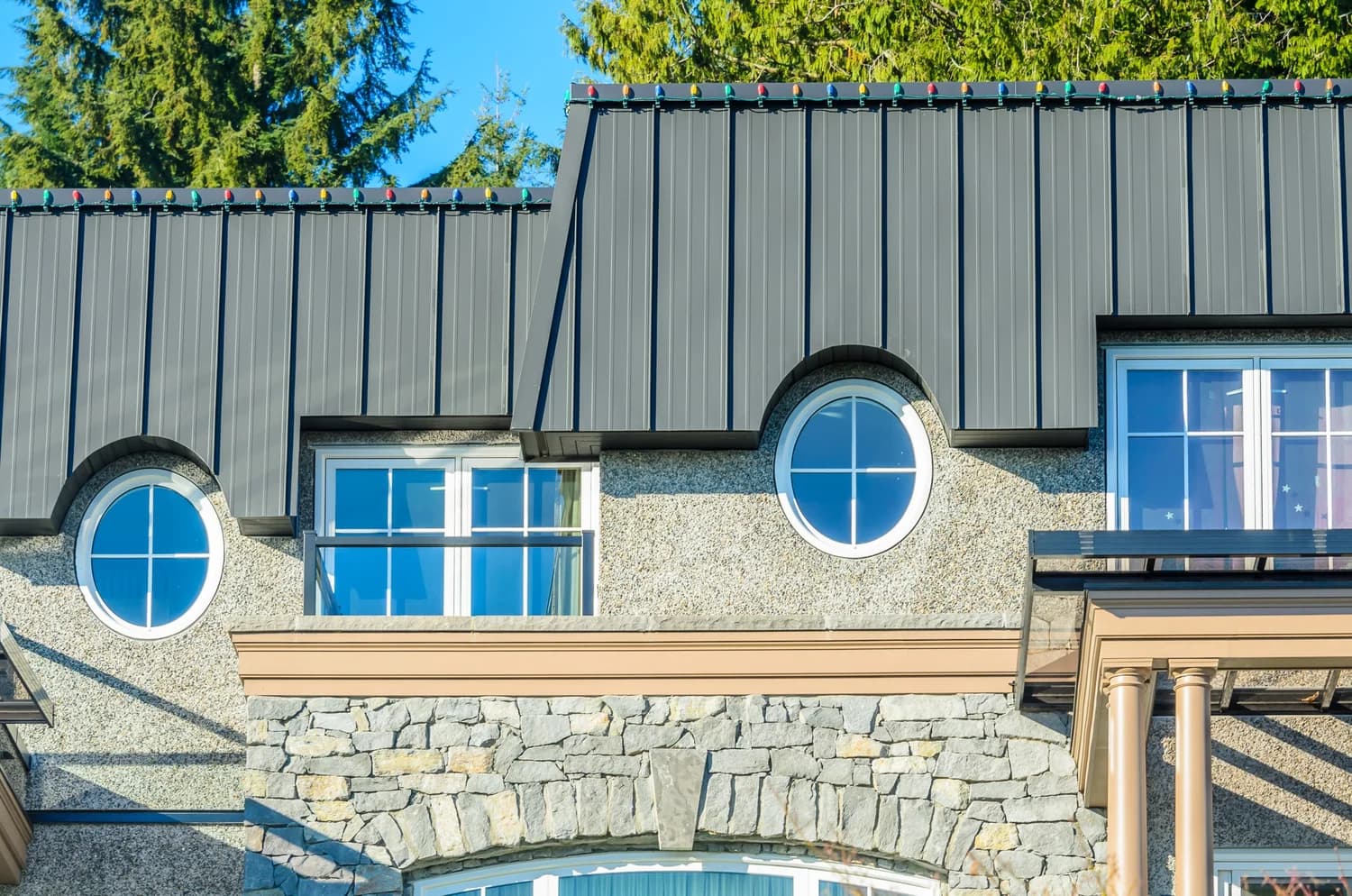
Metal roofing is the gold standard for mountain homes. Whether you are in Asheville or Waynesville, a high-quality metal system can last 50 years or more. It sheds snow, resists fire, and handles the high winds we see along the ridge lines.
However, "Metal Roofing" is a broad term. We often see homeowners get three quotes that are thousands of dollars apart, and they have no idea why. Usually, it is because they are being quoted two completely different systems.
1. Standing Seam vs. Screw-Down Panels
This is the most common way homeowners in NC get burned.
Standing Seam (The Best Option): This is a hidden fastener system. The screws are tucked under the metal, protected from the rain and sun. Because the metal can expand and contract as the temperature changes, it stays watertight for decades. This is the premium roof that increases your home value.
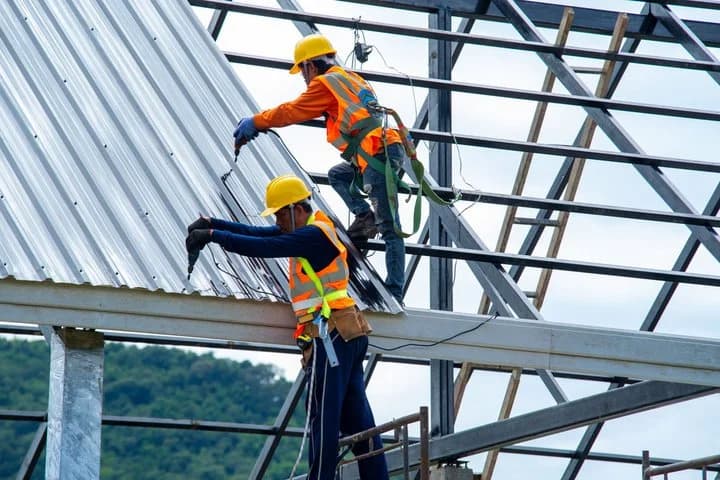
Screw-Down or Corrugated (The Budget Option): Also called "Agricultural Panels," these use thousands of screws that are drilled directly through the face of the metal. Over time, the rubber washers on those screws dry out and crack. In the Western NC climate, these roofs often start leaking at the screw holes within 10 to 15 years.
The Tip: If one quote is significantly lower than the others, check to see if they are quoting a screw-down roof instead of a standing seam. You can see the difference on our Metal Roofing service page.
2. Metal Gauge: Is the Steel Thick Enough?
The Gauge refers to the thickness of the metal. In the roofing world, a lower number means a thicker panel.
24-Gauge: This is the high-end, commercial-grade standard. It is heavy, stiff, and highly resistant to hail damage and wind uplift.
26-Gauge: This is the standard for most residential standing seam roofs. It is durable and cost-effective.
29-Gauge: This is thin metal often used for barns or outbuildings. We generally do not recommend this for residential homes in the mountains because it can dent easily during a hail storm.
3. The Finish: Kynar 500 vs. Polyester
The paint on your roof isn't just for looks. It protects the steel from rusting.
Most high-end metal quotes will specify a Kynar 500 (PVDF) finish. This is a resin-based paint that resists fading and chalking for 30 years or more. Low-cost contractors may use a Polyester finish, which can start to fade and look chalky within just a few years under the intense mountain sun.
4. Don't Overlook the Details (Flashing and Boots)
A metal roof rarely leaks in the middle of a panel. It leaks at the "penetrations," like chimneys and plumbing vents.
The Pipe Boots: Standard rubber pipe boots are the weak point of any roof. We recommend high-temperature silicone boots or retro-fit boots that are designed to last as long as the metal.
The Flashing: Is the contractor using custom-bent metal flashing for your chimney, or are they relying on "caulk and prayer"? A professional quote should include details on how they will handle valleys, sidewalls, and chimney transitions.
5. The Importance of a Detailed Roof Inspection
Before you get a quote, you need a Detailed Roof Inspection. You can't give an accurate metal roofing quote from the ground or a satellite image.
A contractor needs to check the condition of your roof decking. Metal roofing is heavier than shingles, and the surface needs to be perfectly flat and solid. If your decking is spongy or rotten, that needs to be addressed before the new panels go down.
At True North Roofing, we provide a Detailed Roof Inspection with every quote. We document the current state of your roof with photos so you can see exactly what needs to be fixed before the metal is installed.
6. Business Stability and Lien Waivers
A metal roof is a major investment. You want to make sure the company you hire will be around to honor their warranty. One simple way to check the professionalism of a company is to ask if they provide a Lien Waiver.
A Lien Waiver is a simple document that proves the roofing company has paid their material supplier for your metal. It protects you from the risk of a supplier putting a lien on your home if the contractor mismanages their finances. It is a sign of a stable, healthy business.
Ready to Compare?
If you want a straightforward quote for a metal roof that is built for the mountains, we are here to help. We offer clear pricing, expert installation, and a Detailed Roof Inspection to get you started.
Serving Western North Carolina: