
Service · Commercial & low-slope
Commercial and flat roofing in Asheville & Western North Carolina
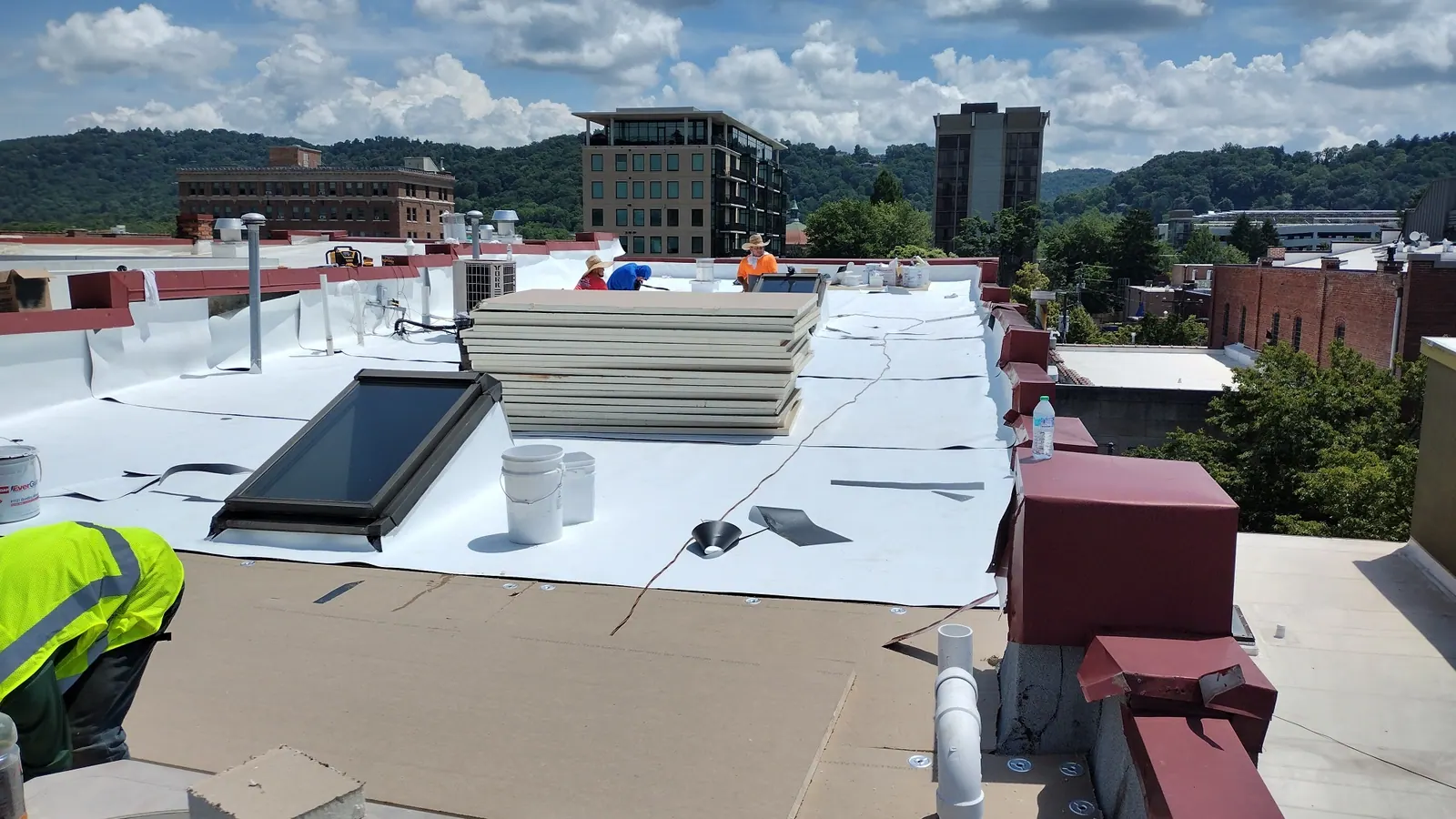
True North Roofing installs, repairs and maintains commercial and flat roofs for businesses, schools, churches and multifamily buildings across Asheville and Western North Carolina. We work in TPO, EPDM, metal, modified bitumen, built-up and coating systems, and we document every roof so owners and facility managers can budget instead of react.
The commercial systems we install
A commercial roof has a harder job than a house roof: a large surface, constant sun and rain, mountain wind across the parapets, and a field of penetrations around HVAC units and vents. The right system depends on the slope, the building and how it is used. These are the systems we install and maintain, with the service life each typically delivers when it is detailed and maintained properly.
- TPO. A white single-ply membrane with heat-welded seams and high reflectivity that cuts summer cooling loads. Typically 15–30 years. Best on flat and low-slope retail, office, light industrial and school roofs.
- EPDM. A black single-ply rubber membrane with decades of track record. It handles freeze-thaw swings well and can be fully adhered, mechanically fastened or ballasted. Typically 20–30 years.
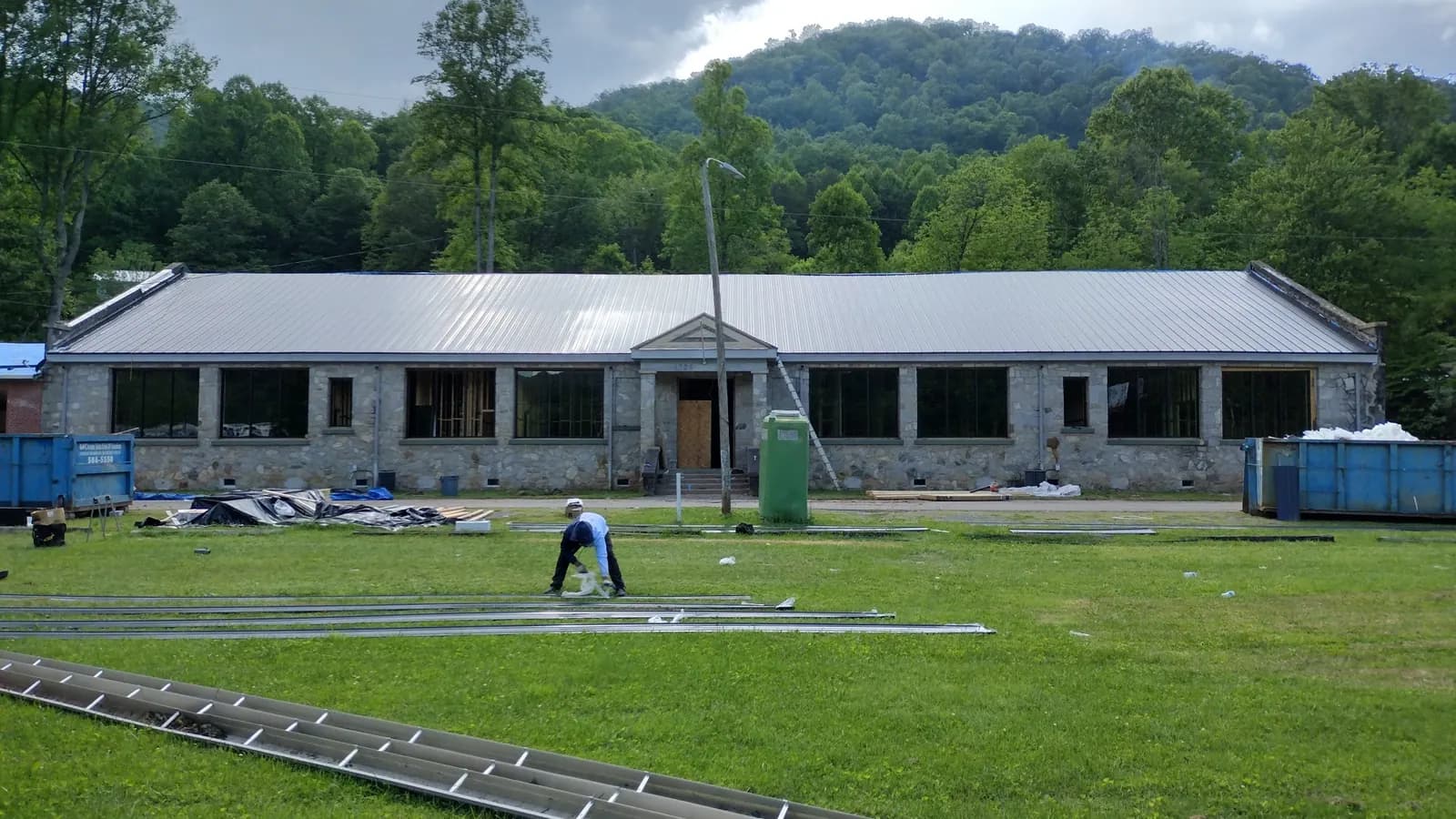
- Standing seam metal. Hidden fasteners and interlocking seams for sloped commercial roofs, churches and long eaves. Typically 30 years to well beyond 50.
- Modified bitumen. Asphalt with polymers for flexibility, installed in multiple plies. Good puncture resistance where roofs see foot traffic. Typically 15–30 years.
- Built-up roofing (BUR). Layered asphalt and reinforcing felts under gravel or a reflective cap sheet, for heavy-duty roofs where multi-ply redundancy matters. Typically 15–30 years.
- Coatings. Elastomeric or silicone coatings over a roof that is still sound, to seal small defects, raise reflectivity and add roughly 5–10 years before replacement.
Flat and low-slope roof repair
Most flat-roof leaks start in the same few places: open seams, flashing that has pulled away at curbs and parapet walls, clogged drains and scuppers, and ponding water that sits for days after a storm and finds every weakness. A patch over the wet spot rarely holds, because the water usually entered somewhere else and traveled under the membrane.
We trace the leak to where it enters, check the insulation underneath for saturation, and photograph what we find. Then we tell you whether a targeted repair will hold, whether a coating makes sense, or whether the roof has reached the point where a recover or replacement is the cheaper path over the next ten years.
What drives the cost of a commercial roof
Commercial pricing depends far more on the building than on the square footage alone. Your proposal is line-itemed so you can see where the money goes and where a value-engineered change makes sense.
- Insulation package: the R-value requirement drives a large share of material and labor.
- Attachment method: fully adhered, mechanically fastened and ballasted systems each change the scope.
- Details and penetrations: curbs, skylights, parapets and walls need careful flashing and often custom metal.
- Access and staging: downtown sites, limited laydown space and crane or lift needs affect schedule and cost.
- Tear-off and disposal: removing wet insulation or multiple layers adds cost but protects the new system.
- Warranty: manufacturer system warranties can require specific assemblies, inspections and maintenance commitments.
Maintenance that protects the warranty
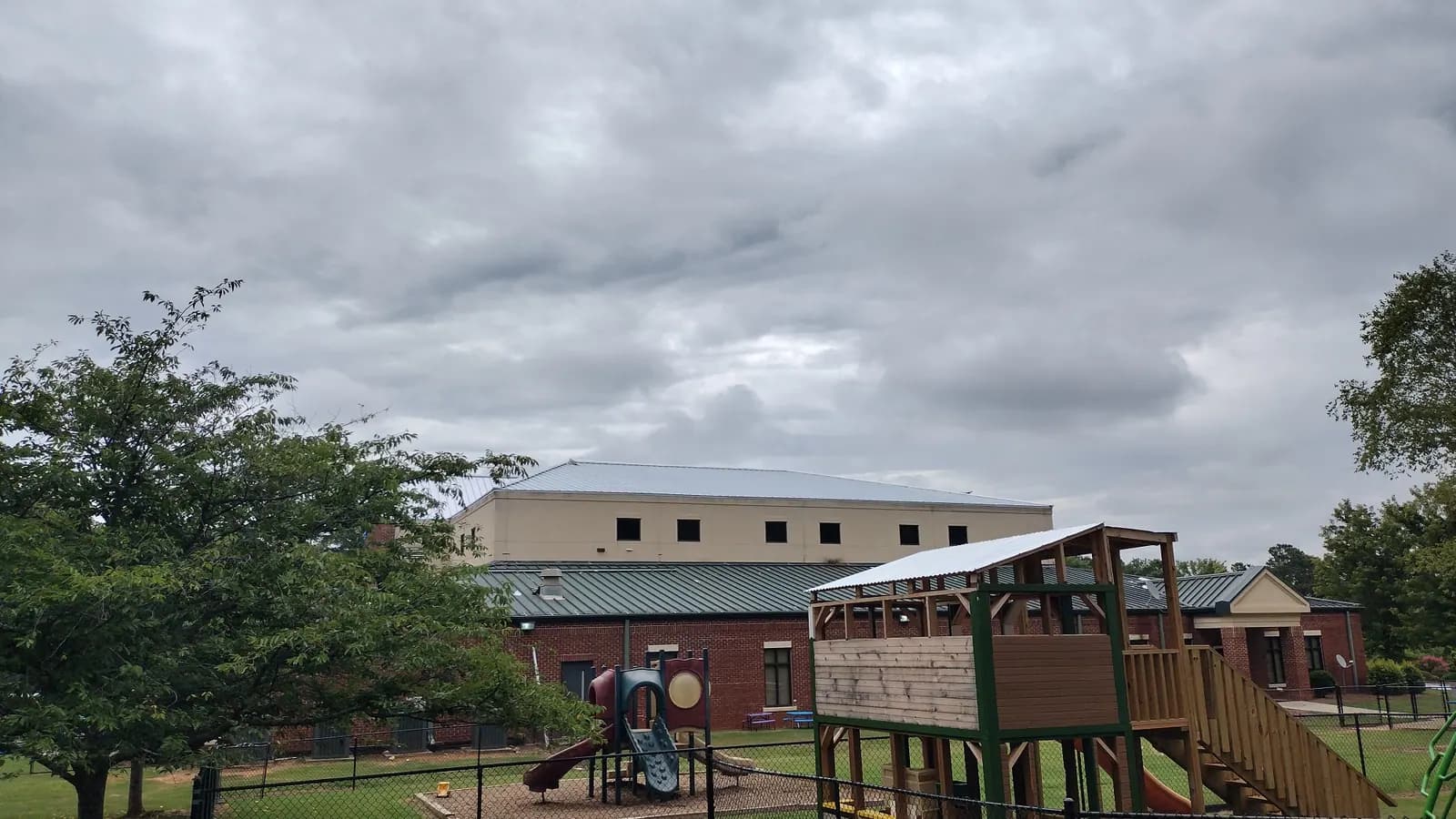
A well-built commercial roof still needs routine attention to reach its full service life. We recommend inspections every spring and fall and after any major storm: clearing drains and debris, checking seams and curbs, resealing minor cracks, tightening loose fasteners and reinforcing high-wear areas around rooftop equipment.
You get a photo report after every visit and a condition forecast you can budget against, which is also the record many manufacturer warranties require.
| System | Typical service life | Best for |
|---|---|---|
| TPO | 15–30 yrs | Flat and low-slope roofs where energy savings matter |
| EPDM | 20–30 yrs | Large footprints with freeze-thaw cycles |
| Standing seam metal | 30–50+ yrs | Sloped commercial roofs, churches, institutional buildings |
| Modified bitumen | 15–30 yrs | Low-slope roofs with moderate foot traffic |
| Built-up (BUR) | 15–30 yrs | Heavy-duty roofs that need multi-ply redundancy |
| Coating | +5–10 yrs | Sound roofs with an aging surface |
Service life assumes correct detailing and routine maintenance. We price every commercial roof from its own measurements and conditions.
Prefer to pay over time? See roof financing options.
Recover or tear-off?
Many buildings qualify for a code-compliant recover over the existing roof, which saves the cost and disruption of a full tear-off. It only works if the existing roof is dry and the structure can carry the extra load, so we confirm both with cores and a moisture survey before we recommend it.
Common questions
A small single-ply replacement can finish in a few days. Larger buildings and metal retrofits can take several weeks. You get a schedule with milestones before we start, and we plan tenant notices and staging around your operations.
Often, yes. A code-compliant recover works when the existing roof is dry and the structure can carry the added weight. We take cores and run a moisture survey first, because covering wet insulation traps the problem under the new roof.
Usually because the water is getting in somewhere else and running under the membrane to the spot you see. Open seams, flashing at curbs and parapets, and ponding near drains are the usual sources. We trace the entry point before we patch anything.
TPO is white, reflective and heat-welded at the seams, which suits buildings with high cooling loads. EPDM is black, proven over decades and handles freeze-thaw cycles well. We compare both against your building, budget and warranty goals and show you the trade-offs side by side.
Plan on inspections every spring and fall and after major storms. Keep drains and scuppers clear, check seams and curbs, and repair small defects before they spread. Many manufacturer warranties require documented maintenance, so we photograph every visit.
Yes. We document storm damage with photos and measurements, meet the adjuster on site and provide a written repair or replacement scope. We never waive or absorb a deductible.
Where we work
Commercial roofing across Western North Carolina
From the blog
More on commercial roofing
Next step
Get a straight read on your building's roof
We walk the roof, check drains, seams and flashing, and photograph everything. You get a written condition report and line-itemed options, whether that is a repair, a recover or a full replacement.
- Free, with no obligation and no fee
- Photo-documented report you keep either way
- Three line-itemed options — never a single lump sum
- Lifetime Craftsmanship Warranty on our workmanship
- We never waive insurance deductibles