Winter Roof Leaks in NC: 9 Causes Roofers See Most
Published · Updated
By Wes Webb, Owner of True North Roofing
Introduction
Winter in North Carolina does not always mean constant snow. It does bring freeze and thaw cycles, wind driven rain, cold snaps, and fast temperature swings. Those conditions expose weak points in roofing systems. A small flashing gap in December can become a ceiling stain by January, especially in Western NC communities like Asheville, Weaverville, Black Mountain, Arden, Fletcher, Hendersonville, Candler, Waynesville, Canton, Swannanoa, Fairview, Leicester, and Mills River.
This guide covers the 9 most common causes of winter roof leaks in NC and what to do next if you suspect a problem.
If you are seeing active dripping, start here: Roof Repair.
If you want documentation and a clear plan, schedule a Free Roof Inspection.
Why winter roof leaks are different in North Carolina
NC winters create a mix of conditions that reveal hidden issues:
Freeze and thaw cycles that widen tiny openings around flashing and nail points
Wind driven rain that pushes water sideways under shingles and trim details
Condensation when warm, moist air inside the home meets cold roof decking
Debris buildup that traps moisture in gutters and valleys
Now let’s break down what roofers see most often.
1) Cracked pipe boots and vent pipe flashing failures
One of the most common winter leaks comes from a failing rubber pipe boot around plumbing vent pipes. Cold weather can make rubber more brittle, and UV exposure from summer speeds up cracking.
Signs to watch for
Leaks after rain or freezing mornings
Water stains near bathrooms, laundry rooms, or kitchens
Visible cracking at the vent collar
This is often a straightforward fix when caught early: Roof Repair.
2) Chimney flashing problems
Chimneys are a frequent leak source because wind can push rain against masonry and flashing edges. Temperature swings can also open small gaps where step flashing meets shingles or where counterflashing meets the brick.
Signs to watch for
Stains around fireplaces or chimney chases
Moisture in the attic near the chimney
Leaks that worsen during windy rain
If your home has a chimney, an annual inspection is worth it: Free Roof Inspection.
3) Valley issues caused by debris or worn materials
Valleys move the highest volume of water on most roof designs. In winter they also collect leaves and pine needles, which hold moisture right in the flow path.
Common triggers
Debris buildup that creates a dam
Worn shingles at the valley line
Exposed or poorly detailed valley metal
Nail placement too close to the centerline
Valley problems can grow quickly in heavy rain events.
4) Wind lifted shingles and hidden creases
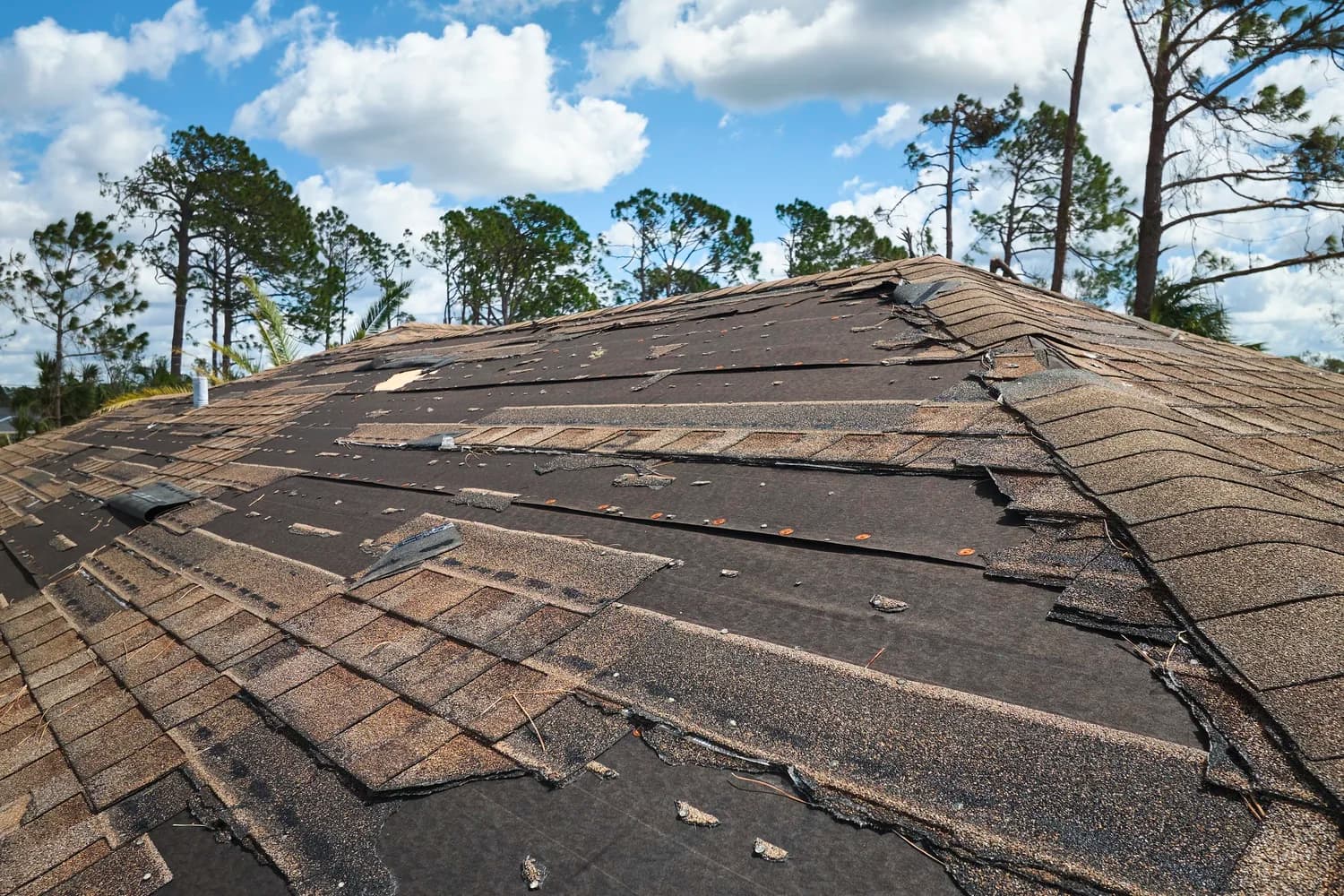
After strong wind, shingles can lift and crease near the seal line. From the ground, the roof may look fine. The shingle can still be compromised and allow water underneath.
Signs to watch for
Leaks that show up after windy storms
Shingles found in the yard
Displaced ridge caps or loose ridge vents
This is common in exposed areas like ridgelines near Asheville, Black Mountain, and Weaverville.
5) Ice dams in Western NC
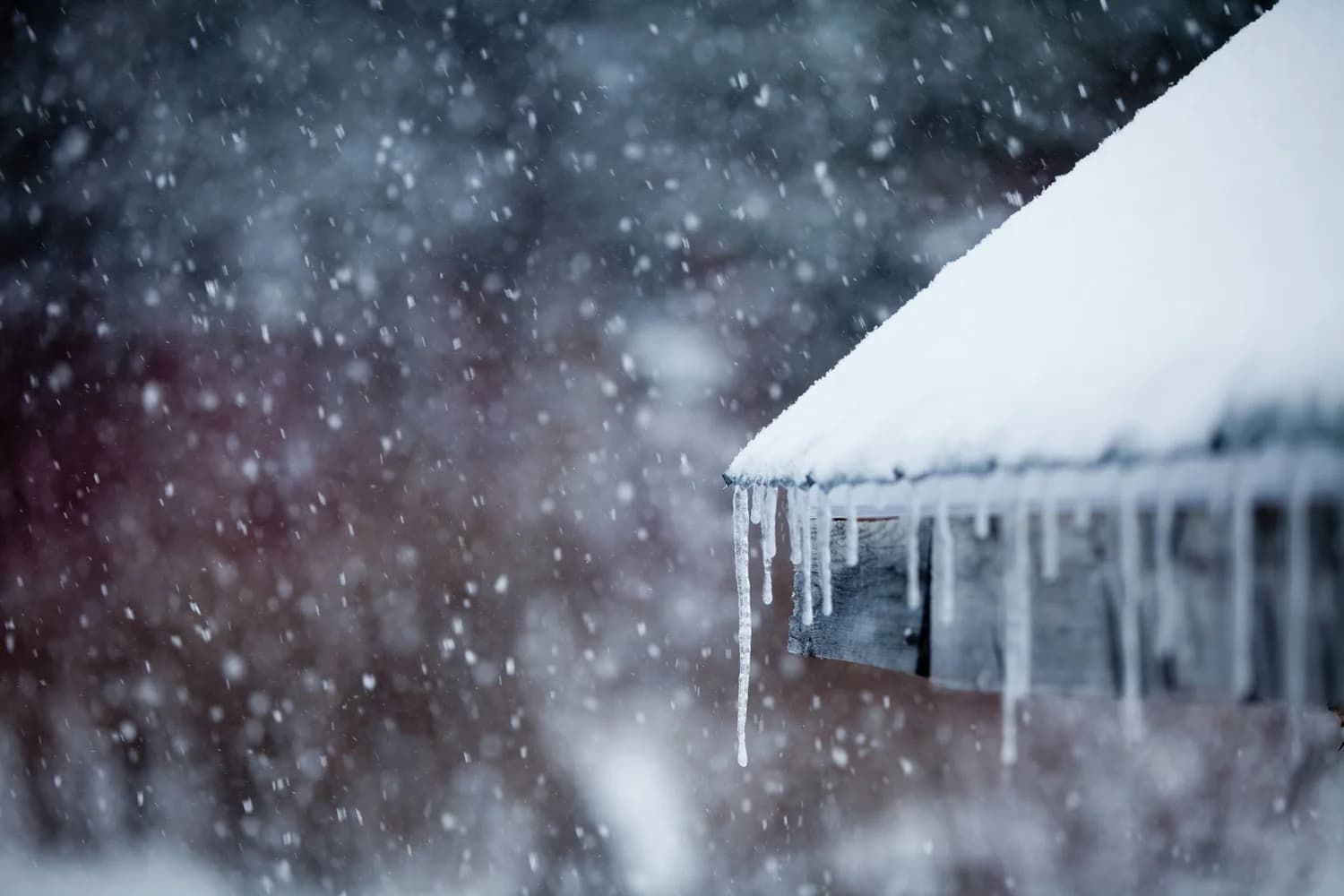
Ice dams are not constant in North Carolina, but they do happen in Western NC, especially at higher elevations and on shaded rooflines. When attic heat melts snow or frost and it refreezes at the eaves, water can back up under shingles.
What typically causes it
Heat escaping into the attic
Poor ventilation with limited soffit intake or ridge exhaust
Insulation gaps and air leaks
If ice damming is recurring, it is usually a system issue. During replacement, upgrades like ice and water shield and ventilation improvements matter: Roof Replacement.
6) Skylight leaks from aging seals or flashing
Skylights often leak due to flashing issues, seal failure, or improper curb detailing. Cold weather can shrink materials and create gaps.
Signs to watch for
Water stains around skylight trim
Dripping after wind driven rain
Fogging between panes, which suggests seal failure
If the skylight is older, replacement can be the more reliable long term fix: Skylight Replacement.
7) Clogged gutters causing water backup at the roof edge
Gutters do not have to be completely full to cause problems. If downspouts are blocked or gutters are pitched incorrectly, water can pool and work behind fascia or into roof edges.
Signs to watch for
Overflow lines on fascia
Staining under gutters
Leaks that occur during heavy rain
If your gutters overflow frequently, consider an upgrade: Seamless Gutters.
8) Nail pops and fastener back out
As temperatures change, materials expand and contract. Over time nails can rise slightly. When nail heads lift, they create small entry points for water, especially with wind driven rain.
Signs to watch for
Leaks that appear random and are hard to locate
Small bumps in shingles
Water intrusion that worsens during storms
A roofer can locate and correct these before they turn into hidden rot.
9) Attic condensation mistaken for a roof leak
Not every winter leak is a roof leak. Many NC homes have moisture issues caused by warm indoor air rising and condensing on cold roof decking. It can drip and look like an exterior leak.
Clues it is condensation
Frost on nails or decking in the attic
Damp insulation without a clear entry point
Rusty fasteners, musty odor, or minor mold spots
Worse symptoms during very cold nights
The fix is typically ventilation, air sealing, and insulation improvements. A documented inspection helps identify the true source: Free Roof Inspection.
What to do if you suspect a winter roof leak in NC
Do not climb the roof, especially when wet or icy.
Contain the water indoors with buckets and plastic protection.
Photograph stains and note when they appear, such as during windy rain or freezes.
Check the attic if safe and look for wet decking or damp insulation.
Schedule a professional inspection for documentation and a clear repair plan.
If you need immediate help: Roof Repair
If you want the full picture: Free Roof Inspection
When winter leaks suggest it is time to replace
One leak does not always mean replacement. Winter leaks can signal a failing roof system if you also have:
Multiple leaks across different rooms
Brittle shingles, curling, or widespread granule loss
Chronic patching over several years
Soft decking or sagging areas
Compare options here:
Service areas in Western NC
True North Roofing serves Asheville, Hendersonville, Weaverville, Black Mountain, Arden, Fletcher, Candler, Waynesville, Canton, Swannanoa, Fairview, Leicester, and Mills River.
Local pages:
Weaverville Roofing
Black Mountain Roofing
Arden Roofing
Fletcher Roofing
Candler Roofing
Canton Roofing
Swannanoa Roofing
Fairview Roofing
Leicester Roofing
Mills River Roofing
Get it handled before it gets worse
Winter leaks rarely improve on their own. Catching the source early helps prevent hidden moisture damage to decking, insulation, and drywall.
Book your visit: Free Roof Inspection
Or call (828) 507-0778.