Gutter Cleaning Schedule for Western NC: How Often Is ‘Enough’?
Published · Updated
By Wes Webb, Owner of True North Roofing
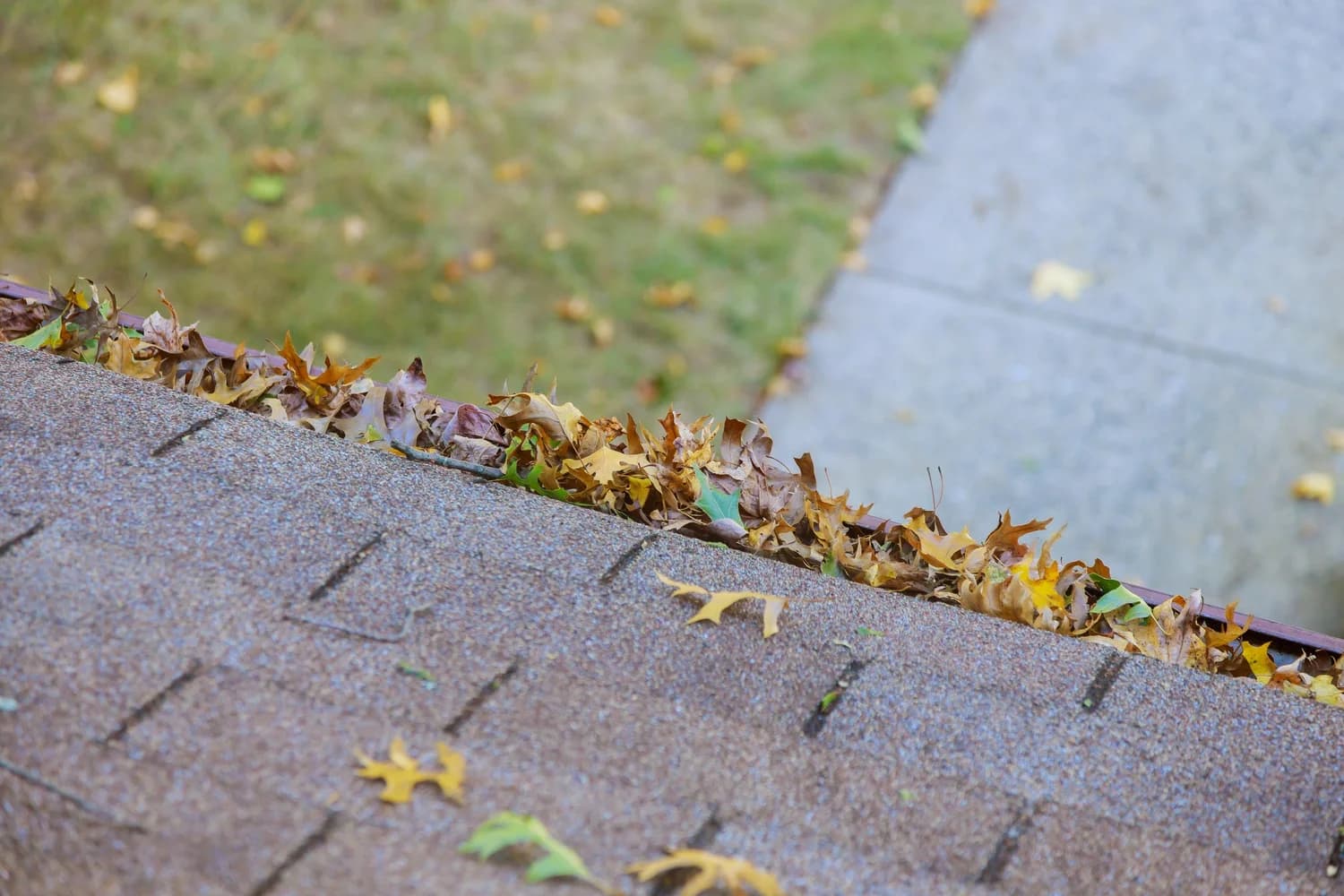
Gutter cleaning is the most overlooked maintenance task in Western North Carolina. In a region where we measure rainfall in feet rather than inches, a clogged gutter is a direct threat to your home’s foundation and roofline.
Most homeowners wait until they see a "waterfall" pouring over the side of their house before they grab a ladder. By then, the damage may already be done. Between the heavy oak leaves in Asheville and the relentless pine needles in Hendersonville, our mountain gutters face a unique set of challenges.
Here is the realistic schedule for keeping your drainage system clear and your home protected.
1. The Standard "Baseline" Schedule: Twice Per Year
If your home has a moderate amount of tree cover, the bare minimum is a two-visit schedule.
Late Spring (May/June): After the "yellow dust" pollen season and the spring seed pods have fallen. In the mountains, spring storms often wash oak tassels and poplar seeds into your gutters, creating a thick sludge that blocks downspouts.
Late Fall (November/December): After the final leaves have dropped. If you clean too early in October, the remaining leaves will simply clog your system again before the first winter snow.
2. The "Wooded Lot" Exception: Four Times Per Year
If your home is tucked into the woods in Brevard or Waynesville, two cleanings are not enough.
When you have heavy tree overhang, your gutters can fill up in a single week during peak leaf season. We recommend a "Quarterly" approach for these properties. This prevents the debris from sitting in the gutters, where it traps moisture against your fascia boards and leads to wood rot.
3. Why the late-spring cleaning matters most
The spring debris trap
Late spring in the mountains is notorious for clogging gutters. Even if you completely cleared your troughs in the fall, the spring season drops a massive amount of new organic material onto your roof.
Trees drop sticky pollen, oak tassels, and helicopter seeds right into your gutter basins. This fine debris creates a thick, sludgy paste when mixed with light spring rain. Once this paste dries out in the early summer sun, it turns into a solid dam that completely blocks water from reaching your downspouts.
Summer downpours
Summer afternoons in the Blue Ridge Mountains are famous for sudden, violent thunderstorms. These storms can easily dump an inch of water onto your roof in a matter of minutes.
If your gutters are already packed with that dried spring sludge, the heavy volume of summer rain has nowhere to go. It instantly overflows the trough, washing away your landscaping, destroying your flower beds, and pooling directly against your home's foundation. Over time, this pooling water can cause your foundation to crack and leak into your basement or crawlspace.
The roof damage you don't see
Overflowing gutters do not just damage the ground below. They are a massive threat to your roofing system above.
When water backs up in a clogged trough, it wicks backward behind your fascia board and pushes up under your lower shingles. This trapped water rots out your wood decking and creates major interior water damage. What many homeowners assume is a sudden shingle failure requiring an expensive roof leak repair is very often just the result of neglected, clogged gutters.
4. Metal roofs and commercial buildings
The type of roof you have also changes how your gutters perform during a summer storm. If you have upgraded your home to a highly efficient metal roofing system, rain sheds off those slick panels much faster than it does off rough asphalt shingles. This high velocity water will easily overshoot a clogged or undersized gutter, making a clean, fully functional 6-inch trough absolutely essential.
Business owners must also stay vigilant. For commercial roofing properties, clogged commercial box gutters or blocked flat roof scuppers will cause water to pond dangerously on top of the building. This standing water leads to rapid membrane deterioration and catastrophic internal leaks that can ruin inventory.
5. Why Pine Needles are a Different Beast
If your lot is dominated by White Pines or Hemlocks, you face a specific problem. Pine needles are small enough to slide through many standard gutter guards. Once inside, they weave together to create a "bird's nest" that completely stops water flow.
Pine needles also do not blow out with the wind like dry maple leaves. They are heavy, acidic, and stick to the bottom of the gutter. For homes in Henderson County, we often suggest checking the downspout openings every 90 days to ensure they haven't been "plugged" by needles.
6. The Winter Risk: Ice Dams and Gutter Weight
Clogged gutters are the primary cause of Ice Dams in high-elevation areas like Maggie Valley. When water cannot drain away, it freezes in the gutter. This ice then backs up under your shingles or Metal Panels.
Furthermore, a gutter filled with wet debris and ice can weigh hundreds of pounds. This weight can pull the gutter away from the house, damaging your rafter tails and leaving your home vulnerable to rot.
7. Are Gutter Guards the Answer?
We are often asked if gutter guards are worth the investment. The answer depends on your specific trees.
For Broad Leaves: High-quality mesh guards can significantly reduce your cleaning frequency.
For Pine Needles: Only a very fine micro-mesh will be effective. Even with guards, you still need a Detailed Roof Inspection once a year to ensure that "roof silt" and granules haven't built up underneath the guards.
8. How Clogged Gutters Affect Your Roof Warranty
Many homeowners do not realize that chronic gutter clogs can actually void parts of your roofing warranty. When water backs up, it soaks the edge of your roof deck. This leads to "edge rot," which is a failure caused by poor maintenance, not a material defect.
During every Detailed Roof Inspection, we check the "drip line" of your roof. We look for signs that water has been overflowing and wicking back into the wood. Catching this early can save you thousands in carpentry repairs.
Ready for a Maintenance-Free Season?
If you are tired of the ladder climb or worried about your foundation, we are here to help. We provide honest assessments of your drainage system and can help you plan a schedule that fits your specific lot.
Serving Western North Carolina: